We’re living in the golden age of music accessibility. Streaming platforms offer millions of tracks at our fingertips, yet paradoxically, to discover new music and underground artists has never felt more challenging, especially once you hit your thirties.

A Deezer study reveals that our musical curiosity peaks at 24, when 75% of people listen to 10+ new tracks weekly. But here’s the plot twist: that hunger for musical exploration starts fading as life gets busier and the endless scroll of options becomes overwhelming. The kicker? Nearly half of the people are secretly wishing we had more time to explore new music.

Sound familiar? If you’re tired of your algorithm feeding you the same recommendations and you want to find your next obsession, we’ll walk you through the best ways we use to discover new music.

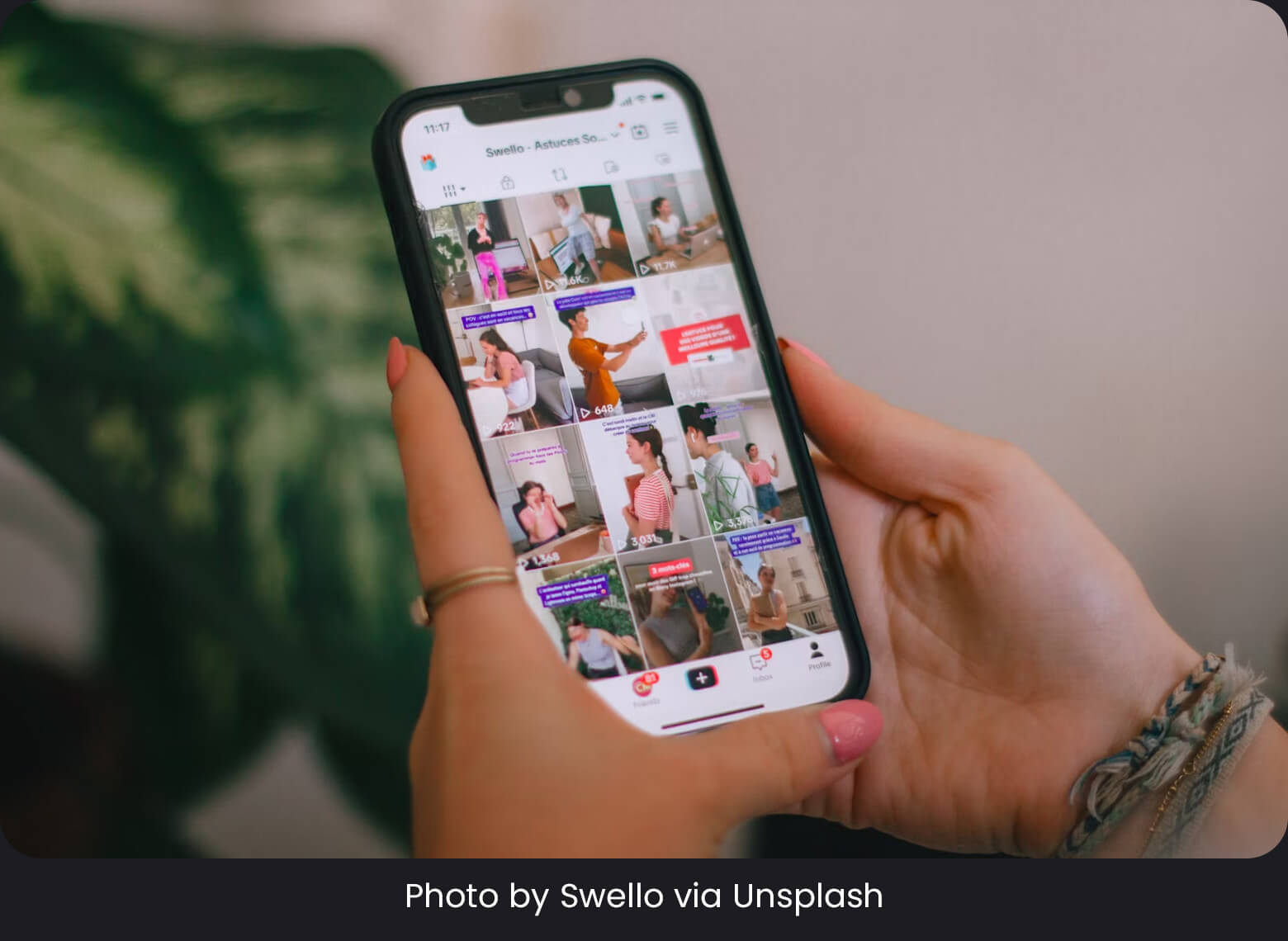
A mobile phone on a desk

Playlo

If you’re the type who’s always putting friends on to new music before it hits the radar, there’s a new app with your name on it. It’s called Playlo, and it’s turning exploring music into a game, putting underground artists in the spotlight, and even throwing in a chance to win cash. 

What we love

Playlo isn’t another streaming app, in fact, it’s designed only to discover new music and underground artists.  Each month, the app collects the best songs from 150+ sources (streaming platforms, DJs, blogs, radio shows, magazines, and more) and it asks users to rate these songs anonymously. Most music apps throw thousands of tracks at you and call it discovery. Playlo cuts through the noise with a fresh approach:
  • No endless scrolling. Forget spending hours checking playlists, Playlo does it for you.
  • No mainstream hits. Just the next wave of greatness waiting to be found.

  • Only the best 30 seconds. Get straight to the hook, no skipping needed.

  • No algorithm fatigue. Tracks come from a diverse mix of suorces

What’s not so great

Playlo is intentionally exclusive. You’ll need an invite to join. It’s made for real music lovers, not money chasers. That might turn some people off, but if you love being first on a new sound, you’ll feel right at home.

Music apps

When it comes to discover new music, streaming platforms are the obvious starting point as they’ve built some of the smartest music algorithms out there and they get better every day.

What we love

When it comes to discover new music, each platform brings something different to the table and knowing what each does best can make all the difference:

  • Spotify offers algorithm-based discovery with features like Discover Weekly, Release Radar, and mood-based playlists that bring personalization to the next level.
  • Apple Music has playlists and curated radio shows hosted by artists and experts like Zane Lowe that we can’t live without.
  • Soundcloud is perfect for mixes, underground tracks, and bootlegs. We especially love the Buzzing playlists, fan-powered and genre-specific, highlighting songs with real fan engagement.
  • Bandcamp is the ideal place to discover alternative and indie music while directly supporting the artists. Don’t miss Bandcamp Weekly, a show featuring hidden gems and artist interviews.
  • YouTube is the go-to for live performances, fan remixes, and especially music videos. YouTube Music also offers expertly curated playlists by genre and mood.
  • Tidal is known for high-fidelity audio and expertly curated playlists by genre or mood, making it one of our favorite platforms to discover new music.
  • Deezer offers personalized playlists and Flow, a personalized radio-style stream that you can adjust for a tailored experience.

What’s not so great

Music streaming platforms offer endless playlists and smart recommendations, but discovering new music can often feel repetitive. Many playlists include filler tracks you end up skipping, which can become annoying. And finding underground or new artists usually requires more effort than these platforms make easy.
DJ sets

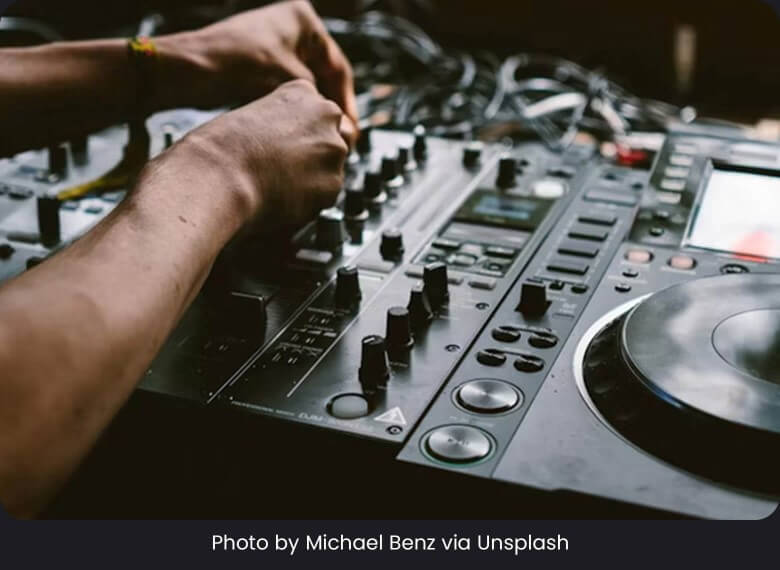
Platforms like SoundCloud, YouTube, and Mixcloud, along with websites like 1001tracklists.com, offer many DJ sets and tracklists, , making them a great option to find fresh music.

What we love

Whether it’s live recordings, radio-style sets, or underground blends, these are the places we keep going back to:
  • Defected Records and Drumcode post weekly mixes on Mixcloud that are our go-to for house and techno music.
  • YouTube channels like Boiler RoomThe Lot Radio, Lab by Mixmag, and Rough Radio are perfect for diving into DJ culture from around the world.
  • On Soundcloud, you can follow your favorite DJs to stay up to date with their latest sets.
  • 1001tracklists.com. is our cheat code. Search any DJ and you’ll usually find their latest setlist.
  • On Spotify, many DJs keep their Track IDs playlists updated, so you can find their favorite tracks without listening to the full set.

What’s not so great

Discovering music through DJ sets definitely has its downsides. You usually have to listen to the entire mix to catch the tracks you like, which can be time-consuming. Many of the songs played aren’t officially released yet. Plus, most DJ sets focus heavily on electronic music, which makes this method less useful if you’re into other genres.
Radio

Radio shows

Whether on traditional airwaves or streaming platforms, radio shows bring a personal touch that algorithms can’t always replicate, making them a fantastic way to discover new music and stay connected to music communities.

What we love

No matter what vibe or genre you’re into, these are the radio shows we regularly tune into for fresh tracks and good vibes:
  • BBC Radio offers many shows with a curated selection of great music, from Pete Tong’s unmissable weekly electronic show to the New Music Fix for those who prefer other genres.
  • We’re also big fans of Australia’s triplej, especially shows like House Party, Like a Version, and Unearthed, which spotlight fresh talent.
  • Seattle’s KEXP is known worldwide for its diverse playlists, making it a treasure trove for music discovery. Don’t miss their YouTube channel, where they publish live sessions of the best underground artists.
  • London’s Rinse FM brings cutting-edge electronic and underground sounds, perfect for those looking to explore the newest trends. We highly recommend the Josey Rebelle and DJ Haus shows.
  • SiriusXM offers a wide range of popular shows like The Howard Stern Show, The Coffee House for acoustic and singer-songwriter music, and BPM for dance and electronic fans.

What’s not so great

Often, you have to listen to entire songs or long segments before finding a track you like, which can be time-consuming. Plus, shows sometimes feature exclusive premieres or live versions that aren’t available anywhere else, making it tricky to save or revisit your favorite tracks later. Finally, radio schedules can be limiting, you have to tune in at specific times or hunt for recordings, which isn’t always convenient.
A hand holding a mobile phone

Social Media

Social media has become an unexpected but powerful tool for discovering new music. Whether it’s a viral sound on TikTok, or a snippet shared on Instagram Stories, these platforms sometimes surface tracks before they hit mainstream playlists.

What we love

If you’re into music, we’re sure the algorithm has already thrown a few music influencers your way but these are some of our go-to curators we actually follow to discover new music:

  • Atlanta Cobb  is a seasoned artist manager who built a strong following by sharing tips on digital strategy and monetization for independent artists.
  • Show & Tell keeps things fresh with hidden gems, smart takes and new artist picks, and it’s no wonder 420K people follow.
  • Annabelle Kline is not only a music curator but also reviews her followers’ playlists, offering advice on making the perfect playlist.
  • TheOnlyMajed is another curator who handpicks standout tracks across electronic genres, from heavy bass bangers to pounding techno.

What’s not so great

Algorithms often push popular or trending tracks, making it easy to miss truly unique or underground artists, and with so much content, it can be overwhelming to sift through what’s genuinely good versus what’s just viral hype.

Music Press

Music magazines might feel old-school, but they’re still gold when it comes to how we discover new music. From deep-dive interviews to curated editorials and spotlight features, they often highlight artists before they go mainstream.

What we love

There are tons of great music magazines out there, especially if you’re into alternative sounds. Depending on your favorite genre or the country you’re in, you probably have your own go-tos but these are the ones we keep an eye on regularly:

  • Pitchfork  is one of the most influential online music publications, and it covers alternative and indie music, as well as other genres.
  • NME is a historic UK outlet covering alternative and popular music. It is especially known for spotting first breaking new artists.
  • The Fader has built a reputation for discovering emerging artists across alternative, hip-hop, and electronic scenes.
  • SPIN is a long-running music magazine that highlights alternative and indie scenes, with editorial that often merges mainstream and underground.
  • Stereogum is an online-first platform for indie and alternative news, reviews, and premieres. It has a very loyal community and taste-maker reputation.

What’s not so great

Many top publications are behind paywalls or limit access to premium content, making discovery less accessible. It also takes time to read through long articles or sift through full issues just to find a few standout tracks. Plus, some coverage can lean toward established artists or label-driven releases, making it harder to stumble upon truly underground gems.
Record Shop

Record shops

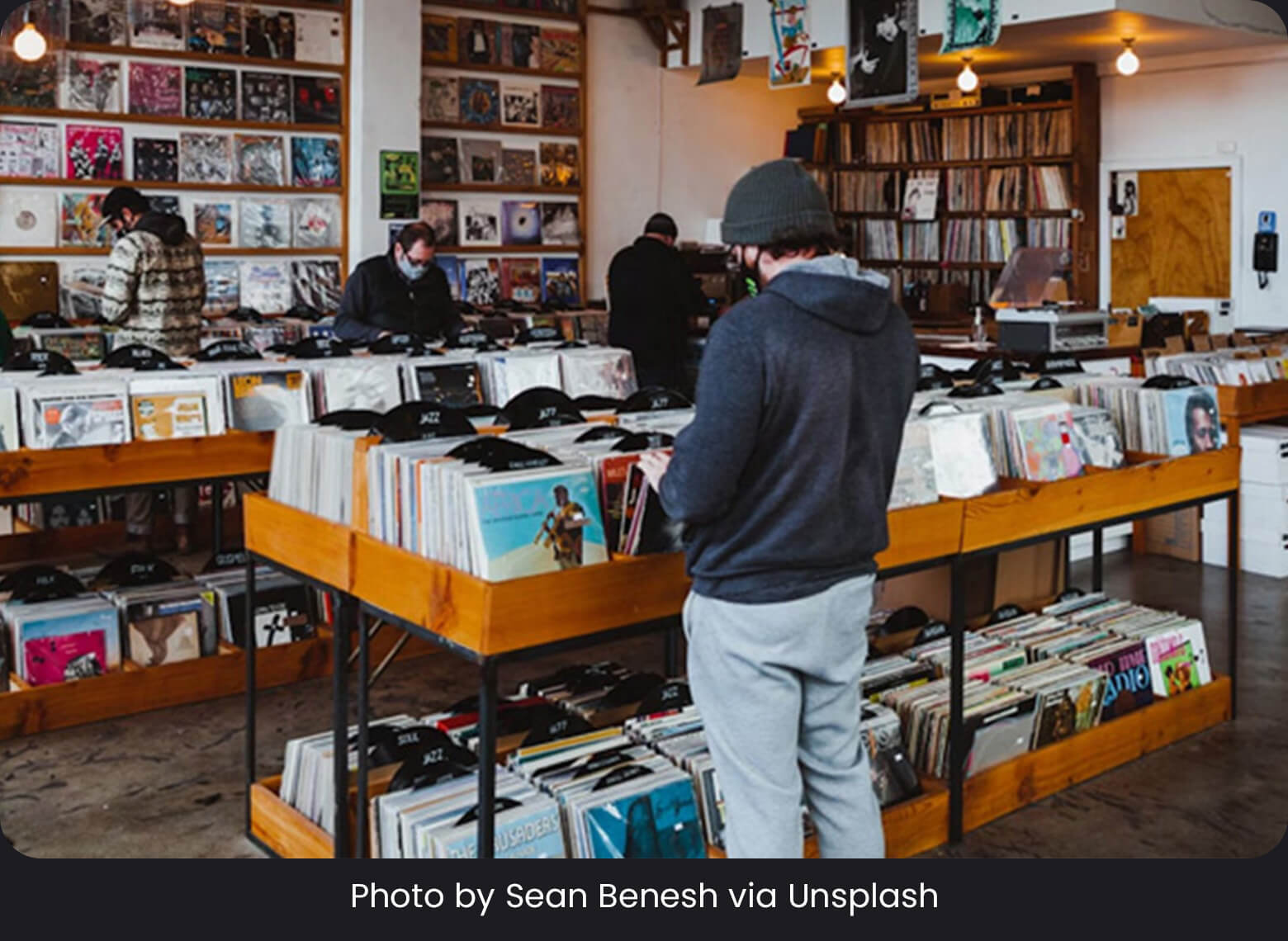
Digging through vinyl at a record shop is the ultimate hands-on way to discover new music. There’s something special about flipping through fresh and second-hand records, chatting with knowledgeable staff, and stumbling on rare or local releases you’d never find online. 

What we love

While you probably have your favorite local shop, here are some of the most iconic record stores known for hidden gems, some we’ve explored, and others we’re hoping to visit soon:

  • Discos Paradiso in Barcelona is a vinyl haven specialized in underground and rare records.
  • Amoeba Music in Los Angeles is the world’s largest independent record store with a vast and diverse collection.
  • Hardwax in Berlin is a techno cornerstone with a very curated electronic music selection.
  • Rough Trade East in London iss a punk-era icon known for vinyl and live music events.
  • Tower Records in Tokyo’s Shibuya is a nine-floor music mecca for global enthusiasts.

What’s not so great

It often requires time, patience, and a bit of luck. Vinyl and physical formats can be expensive, and if you’re just exploring, it’s a costly way to explore new sounds. Plus, availability can be limited, and unless the staff offers solid recommendations, you might miss out on great tracks simply because they’re not in stock.

Festival

Festivals

Digging through vinyl at a record shop is the ultimate hands-on way to discover new music. There’s something special about flipping through fresh and second-hand records, chatting with knowledgeable staff, and stumbling on rare or local releases you’d never find online. 

What we love

While you probably have your favorite local shop, here are some of the most iconic record stores known for hidden gems, some we’ve explored, and others we’re hoping to visit soon:

  • Discos Paradiso in Barcelona is a vinyl haven specialized in underground and rare records.
  • Amoeba Music in Los Angeles is the world’s largest independent record store with a vast and diverse collection.
  • Hardwax in Berlin is a techno cornerstone with a very curated electronic music selection.
  • Rough Trade East in London iss a punk-era icon known for vinyl and live music events.
  • Tower Records in Tokyo’s Shibuya is a nine-floor music mecca for global enthusiasts.

What’s not so great

It often requires time, patience, and a bit of luck. Vinyl and physical formats can be expensive, and if you’re just exploring, it’s a costly way to explore new sounds. Plus, availability can be limited, and unless the staff offers solid recommendations, you might miss out on great tracks simply because they’re not in stock.

Blogs

Music magazines might feel old-school, but they’re still gold when it comes to how we discover new music. From deep-dive interviews to curated editorials and spotlight features, they often highlight artists before they go mainstream.

What we love

There are tons of great music magazines out there, especially if you’re into alternative sounds. Depending on your favorite genre or the country you’re in, you probably have your own go-tos but these are the ones we keep an eye on regularly:

  • Pitchfork  is one of the most influential online music publications, and it covers alternative and indie music, as well as other genres.
  • NME is a historic UK outlet covering alternative and popular music. It is especially known for spotting first breaking new artists.
  • The Fader has built a reputation for discovering emerging artists across alternative, hip-hop, and electronic scenes.
  • SPIN is a long-running music magazine that highlights alternative and indie scenes, with editorial that often merges mainstream and underground.
  • Stereogum is an online-first platform for indie and alternative news, reviews, and premieres. It has a very loyal community and taste-maker reputation.

What’s not so great

Many top publications are behind paywalls or limit access to premium content, making discovery less accessible. It also takes time to read through long articles or sift through full issues just to find a few standout tracks. Plus, some coverage can lean toward established artists or label-driven releases, making it harder to stumble upon truly underground gems.

Friends

Friends

Music magazines might feel old-school, but they’re still gold when it comes to how we discover new music. From deep-dive interviews to curated editorials and spotlight features, they often highlight artists before they go mainstream.

What we love

There are tons of great music magazines out there, especially if you’re into alternative sounds. Depending on your favorite genre or the country you’re in, you probably have your own go-tos but these are the ones we keep an eye on regularly:

  • Pitchfork  is one of the most influential online music publications, and it covers alternative and indie music, as well as other genres.
  • NME is a historic UK outlet covering alternative and popular music. It is especially known for spotting first breaking new artists.
  • The Fader has built a reputation for discovering emerging artists across alternative, hip-hop, and electronic scenes.
  • SPIN is a long-running music magazine that highlights alternative and indie scenes, with editorial that often merges mainstream and underground.
  • Stereogum is an online-first platform for indie and alternative news, reviews, and premieres. It has a very loyal community and taste-maker reputation.

What’s not so great

Many top publications are behind paywalls or limit access to premium content, making discovery less accessible. It also takes time to read through long articles or sift through full issues just to find a few standout tracks. Plus, some coverage can lean toward established artists or label-driven releases, making it harder to stumble upon truly underground gems.